
Understanding Arnica benefits and uses is essential for anyone seeking natural, time-tested support for everyday bruises, minor muscular sprains, and physical recovery.
Derived from the golden alpine flowering plant Arnica montana, this cherished botanical remedy has formed a bedrock of European natural medicine for centuries. Today, pharmacies and health shops across the UK stock an array of topical creams, soothing gels, and oral homeopathic remedies. However, because different preparations feature vastly different concentrations and mechanisms, knowing how to apply them safely is critical. In this comprehensive practitioner guide, we examine the primary Arnica benefits and uses, review the clinical evidence, clarify the difference between herbal extracts and potentised dilutions, and highlight vital safety rules.
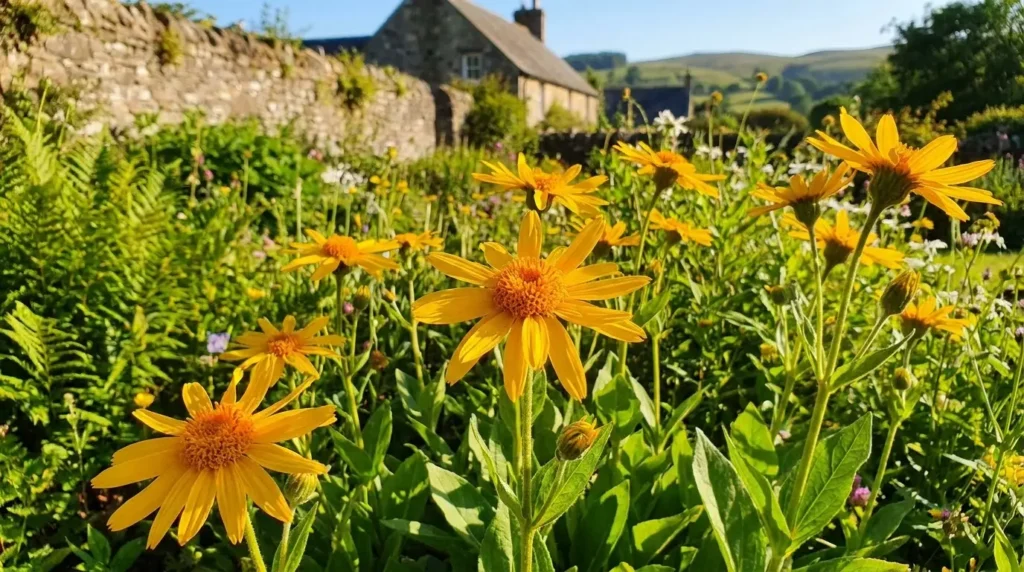
Table of Contents
- What Is Arnica montana? Botanical Origins & Pharmacology
- Understanding Arnica Benefits and Uses in Modern Practice
- The 10 Key Arnica Benefits and Uses Explained
- Topical Herbal vs. Homeopathic Arnica Benefits and Uses
- Comparative Matrix: Arnica Formulations & Potencies
- What Does Scientific Research Say About Arnica Benefits?
- How to Use Topical Arnica Safely on the Skin
- Arnica Safety Precautions & Critical Warnings
- Who Should Exercise Caution With Arnica?
- When to Seek Immediate NHS Medical Advice
- Arnica in Classical Homeopathic Philosophy
- Frequently Asked Questions About Arnica
- Final Guidance on Arnica Benefits and Uses
- Book Your Individualised Homeopathic Consultation in Derbyshire or Online
What Is Arnica montana? Botanical Origins & Pharmacology
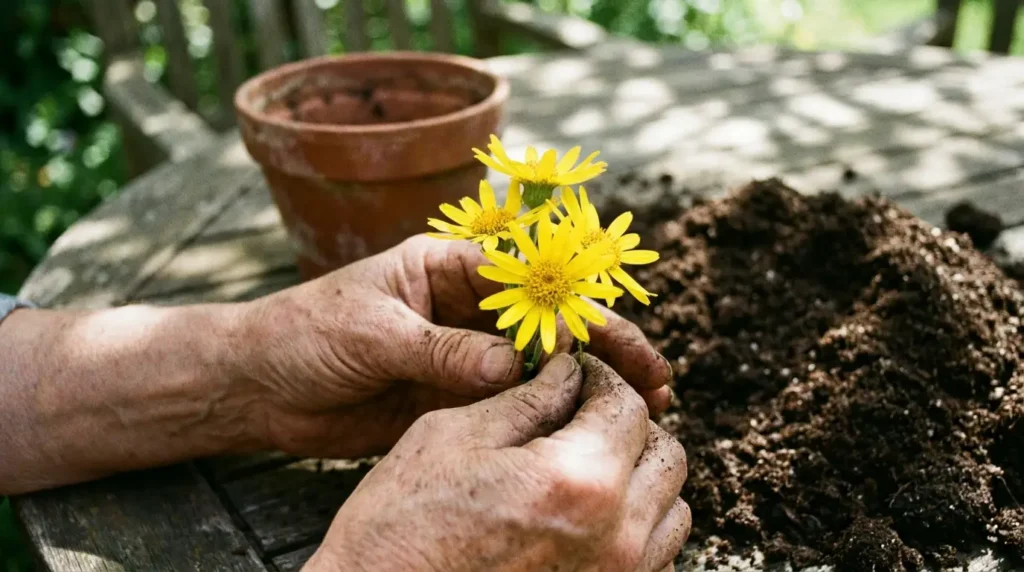
Direct Overview: Arnica montana (commonly known as Mountain Tobacco, Leopard’s Bane, or Wolf’s Bane) is an aromatic perennial herb indigenous to the nutrient-poor alpine meadows of Central Europe, the Pyrenees, and the Carpathians. Belonging to the Asteraceae (daisy) family, its vibrant yellow flower heads produce a complex mixture of biologically active secondary metabolites, including sesquiterpene lactones (primarily helenalin and 11α,13-dihydrohelenalin), flavonoids, and essential oils.
Historically gathered by mountain shepherds who observed its resilience against harsh climatic frosts, Arnica quickly developed a reputation as Europe’s premier botanical first-aid agent. When exploring modern Arnica benefits and uses, pharmacologists recognise that its active sesquiterpene lactones exert pronounced modulating effects on inflammatory pathways by inhibiting the transcription factor NF-κB. This biochemical pathway helps explain why traditional preparations have long been favoured for easing the redness, swelling, and tenderness of tissue trauma.
However, the identical phytochemicals that lend Arnica its therapeutic properties also carry toxicological hazards if misused. In concentrated crude herbal forms, helenalin is an intense mucous membrane irritant that can cause heart rhythm irregularities and gastrointestinal distress if swallowed. Thus, an essential aspect of appreciating Arnica benefits and uses is respecting the clear boundary between topical application on unbroken skin and regulated homeopathic micro-dilutions.
Understanding Arnica Benefits and Uses in Modern Practice
In contemporary natural healthcare, the scope of Arnica benefits and uses spans everyday domestic first aid, athletic recovery, and registered homeopathic clinical care. The European Medicines Agency (EMA) has formally classified prepared Arnicae flos (Arnica flowers) as an approved traditional herbal medicinal product for the relief of bruises, sprains, and localised muscular discomfort.
Traditional clinical applications typically encompass:
- Accelerating the visual clearance of skin discolouration and haematomas following direct blunt trauma.
- Soothing tender soft-tissue swelling around strained joints and stretched ligaments.
- Easing delayed-onset muscle soreness (DOMS) after strenuous physical labour or competitive exercise.
- Providing non-greasy, fast-absorbing topical cooling for overexerted joints and everyday neck stiffness.
- Serving as an energetic restorative in classical homeopathy for individuals experiencing the physical shock of an unexpected fall or accident.
While traditional herbal wisdom is rich with observational endorsements, navigating Arnica benefits and uses responsibly means understanding that natural remedies operate in synergy with healthy circulation, restful sleep, and appropriate medical demarcation.
The 10 Key Arnica Benefits and Uses Explained
Below, we break down the ten primary ways this versatile botanical is utilised in clinical practice and household wellness routines.
1. Rapid Recovery and Clearance for Skin Bruises
Unquestionably the most famous of all Arnica benefits and uses is its capacity to assist the natural resolution of bruises (ecchymosis). A bruise occurs when small subcutaneous capillaries rupture under impact, pooling deoxygenated blood into neighbouring connective tissue. Applied topically as a light gel or cream, Arnica helps stimulate local microcirculation, aiding the lymphatic system in clearing pooled blood cells and reducing the tender purplish-black swelling faster than passive waiting alone.
2. Soothing Minor Sprains and Ligament Strains
When an ankle rolls or a wrist twists awkwardly, the surrounding ligaments and tendons stretch, triggering localised inflammation and fluid accumulation. Applying a high-grade topical Arnica balm immediately around the unbroken skin of the affected area helps mitigate acute discomfort. In classical prescribing, pairing topical care with an oral homeopathic dilution supports connective tissue resilience during the acute recovery window.
3. Post-Exercise Muscle Soreness and Athletic Recovery
Athletes, runners, and weekend gardeners frequently encounter delayed-onset muscle soreness (DOMS) 24 to 48 hours after unaccustomed exertion. One of the greatest contemporary Arnica benefits and uses is massaged into overtired hamstrings, calves, and shoulders. Its soothing botanical compounds help release muscular tightness and alleviate the characteristic bruised sensation that accompanies heavy resistance training.
4. Calming Overworked Joints and Age-Related Stiffness
For individuals managing everyday joint stiffness in the fingers, knees, or lower back, topical Arnica preparations offer a comforting, non-greasy natural alternative to synthetic rubbing ointments. Clinical studies investigating topical Arnica gel applied twice daily on stiff hand joints have noted marked improvements in morning flexibility and grip comfort.
5. Traditional Support Following Minor Cosmetic and Dental Procedures
In modern aesthetic clinics and holistic dental practices, practitioners frequently recommend homeopathic Arnica 30C before and after minor dental extractions or delicate cosmetic treatments. Because potentised homeopathic pellets do not thin the blood or irritate the stomach lining, they provide gentle support for post-procedure facial tenderness and soft-tissue puffiness.
6. Mitigating Physical Shock and Bodily Trauma
In classical homeopathy, as detailed in our guide on the principles of classical homeopathy, Arnica is renowed not just as a physical ointment, but as the master remedy for shock. Following a fall, vehicle bump, or sudden physical blow, patients often say: “I’m fine, don’t touch me,” while appearing pale, dazed, and stiff. Homeopathic Arnica acts on the vital force to help calm this acute nervous disorganisation.
7. Skin Nourishment in Enriched Creams and Balms
When formulated with botanical carriers such as sweet almond oil, shea butter, and vitamin E, Arnica creams serve as restorative topical balms. They comfort windburned, weathered, or physically stressed skin on the hands and limbs, combining barrier protection with the restorative properties of mountain Arnica.
8. Targeted Massage Therapy for Deep Muscular Tension
Integrating Arnica-infused plant oils into professional bodywork creates an exceptional therapeutic synergy. As explored across our holistic therapy services, rhythmic massage with Arnica oil encourages deep muscular release, enhances capillary blood flow, and disperses accumulated lactic acid in chronically tense back and shoulder muscles.
9. Relief for Travel Stiffness and Prolonged Sitting
Long-haul flights, prolonged motorway driving, and sedentary desk work can leave the body feeling heavy, bruised, and aching. In homeopathic theory, the key symptom indicating Arnica is a “bed feels too hard” sensation—where the individual cannot find a comfortable resting posture. A light dose of homeopathic Arnica 30C or a gentle application of cooling gel offers welcomed relief from travel fatigue.
10. Supporting Constitutional Pacing and Recovery After Overexertion
Finally, a crucial facet of Arnica benefits and uses is restoring constitutional equilibrium after extreme physical demands. When an individual pushes beyond their physiological limits, vital energy becomes depleted. Integrating Arnica within an individualised constitutional plan—coordinated with our guidance on homeopathic constitutional types—helps restore core vitality and prevents prolonged exhaustion.
Topical Herbal vs. Homeopathic Arnica Benefits and Uses
One of the most widespread sources of confusion surrounding Arnica benefits and uses is the profound difference between herbal topical formulations and regulated homeopathic remedies. While both originate from the same botanical plant, their manufacturing methods, concentrations, and administration routes are entirely distinct.
Topical Herbal Arnica (Extracts, Gels, Creams & Oils)
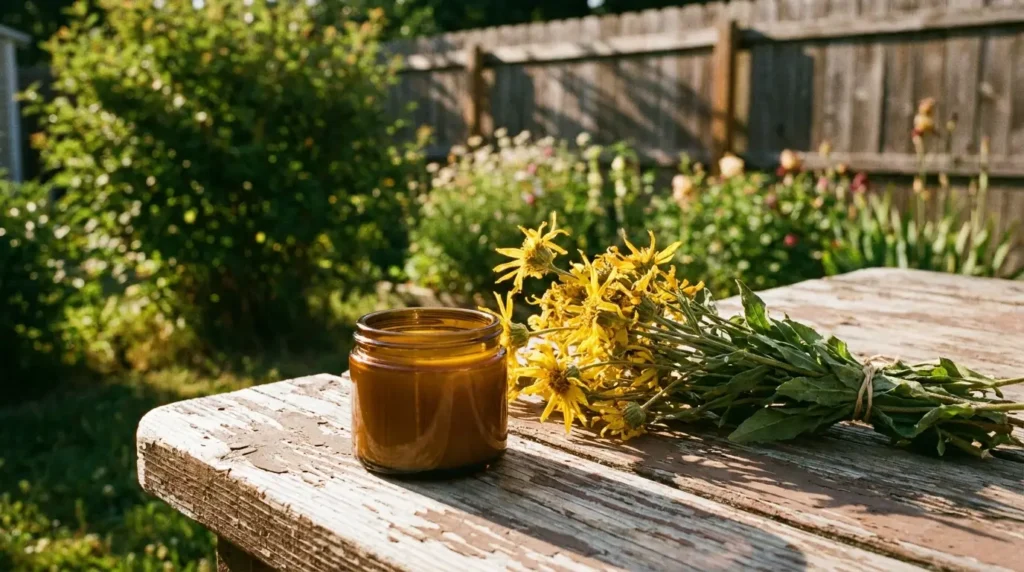
Conventional herbal Arnica products are prepared by extracting the dried flowers in alcohol, oil, or water-glycol solutions. These preparations contain measurable, tangible quantities of sesquiterpene lactones and flavonoids. Because of this pharmacological potency, topical herbal Arnica:
- Must be applied strictly externally to intact, unbroken skin.
- Must never be ingested or swallowed under any circumstance.
- Exerts a direct local anti-inflammatory and cooling effect at the application site.
Homeopathic Arnica (Potentised Pellets, Tablets & Liquids)
Homeopathic Arnica is manufactured in licensed homeopathic laboratories adhering to official pharmacopoeia standards. Through serial dilution and vigorous rhythmic succussion (potentisation), the crude botanical substance is reduced past the point of chemical toxicity. As a result, homeopathic Arnica:
- Is taken internally (dissolved sublingually under the tongue) as small lactose or sucrose pillules.
- Carries zero risk of herbal helenalin toxicity, making it gentle for internal acute shock and systemic bruising.
- Operates through energetic stimulation of the individual’s vital force rather than a crude pharmacological mechanism.
Appreciating this distinction ensures you select the correct product: topical gels for local unbroken bruises and homeopathic pellets for whole-body physical trauma.
Comparative Matrix: Arnica Formulations & Potencies
The comparative matrix below summarises the primary forms, traditional indications, and vital clinical safety restrictions governing Arnica benefits and uses:
| Preparation Type | Form & Potency | Primary Indication | Application Route | Crucial Safety Rule |
|---|---|---|---|---|
| Arnica Cooling Gel | 1%–5% Herbal Flower Extract | Fresh bruises, sports knocks, minor sprains | Topical skin massage (intact skin) | Never apply to open cuts, grazes, or broken skin. |
| Arnica Soothing Cream | Botanical Extract in Emollient Base | Dry skin, persistent muscular stiffness | Topical application 2–3 times daily | Discontinue immediately if redness or rash appears. |
| Arnica Massage Oil | Macerated Flower Oil (Infusion) | Deep tissue massage, post-workout recovery | External bodywork and muscle rubbing | Avoid sensitive mucous membranes and eyes. |
| Homeopathic Arnica 6C / 30C | Potentised Micro-Dilution | General physical shock, dental work, soreness | Oral (dissolved under the tongue) | Do not swallow crude tincture; use only potentised pellets. |
| Homeopathic Arnica 200C / 1M | High Homeopathic Potency | Severe physical trauma, major sports impact | Oral under professional guidance | Best prescribed by a registered homeopath (RSHom). |
What Does Scientific Research Say About Arnica Benefits?
Modern medical literature has taken a growing interest in evaluating traditional Arnica benefits and uses through controlled clinical trials and meta-analyses. While findings are mixed due to differences in product concentrations, several significant studies provide valuable insights:
1. Topical Arnica for Joint Comfort and Hand Osteoarthritis
A landmark randomised double-blind clinical trial published in Rheumatology International evaluated 204 patients experiencing hand osteoarthritis. The study compared topical Arnica montana gel directly against topical 5% Ibuprofen gel over a 21-day period. Researchers found that topical Arnica gel was equivalent to Ibuprofen in reducing pain intensity and improving morning finger mobility, with an equally favourable safety profile.
2. Ecchymosis and Post-Surgical Facial Recovery
Several clinical investigations published in peer-reviewed plastic surgery journals indexed in PubMed Central have assessed peri-operative homeopathic Arnica administration following facial procedures, rhinoplasty, and blepharoplasty. Multiple trials noted statistically significant reductions in post-operative bruising severity and accelerated skin colour normalisation when compared to control cohorts.
3. Systematic Reviews and the Necessity of Objective Nuance
Conversely, broad systematic reviews (such as Cochrane Library evaluations) emphasize that results across sports medicine literature remain heterogeneous. Studies employing sub-therapeutic herbal doses or inconsistent potency protocols often report negligible differences over placebo. Therefore, high-level scientific consensus recognizes Arnica as an effective traditional modality for mild-to-moderate trauma, while highlighting that it should not be proclaimed as a cure-all for severe clinical pathologies.
How to Use Topical Arnica Safely on the Skin
To experience the full therapeutic advantages of Arnica benefits and uses while maintaining utmost dermatological safety, follow these essential application protocols:
- Conduct a Skin Patch Test: Apply a fingertip amount of cream or gel to the inside of your forearm. Monitor for 24 hours to ensure you do not have an underlying Asteraceae sensitivity.
- Cleanse the Area Gently: Ensure the bruised or tender skin is clean and dry before applying the preparation.
- Apply Sparingly: Smooth a thin layer over the tender area 2 to 3 times daily. Vigorous rubbing over an acutely tender bruise is not necessary; light application allows the gel to absorb naturally.
- Avoid Damaged Tissue: Strictly ensure there are no open cuts, scratches, or bleeding abrasions beneath the application site.
- Wash Hands Promptly: Always wash your hands thoroughly after applying to avoid transferring residue to the eyes, nose, or lips.
Arnica Safety Precautions & Critical Warnings
Safety Directives: Understanding the boundaries and limitations of Arnica benefits and uses is essential for responsible natural healthcare. Never treat natural origin as an exemption from pharmacological caution.
Never Ingest Concentrated Crude Herbal Arnica
Crude herbal plant extracts, mother tinctures, and raw flowers of Arnica montana contain high levels of the toxic compound helenalin. Swallowing crude herbal preparations can induce severe gastrointestinal inflammation, violent vomiting, elevated heart rate, nervous system depression, and cardiac arrhythmia. Internal use is restricted entirely to manufactured, potentised homeopathic dilutions (e.g. 6C, 30C, 200C).
Strict Contraindication: Broken or Abraded Skin
Topical Arnica creams and gels must never be applied to open wounds, bleeding cuts, burns, or ulcerated skin. Direct absorption of sesquiterpene lactones into exposed blood vessels triggers intense dermal irritation, chemical burn sensations, and painful contact dermatitis.
Asteraceae Botanical Family Allergies
Arnica belongs to the Asteraceae family. Individuals with known allergies or sensitivities to related plants—such as chamomile, ragweed, marigolds (calendula), chrysanthemums, or daisies—must exercise vigilance, as cross-reactivity can trigger acute contact eczema.
Who Should Exercise Caution With Arnica?
Certain patient groups require tailored clinical supervision when exploring Arnica benefits and uses:
- Pregnant and Breastfeeding Women: Crude herbal Arnica is strictly contraindicated during pregnancy due to uterine-stimulating properties. While homeopathic 30C is commonly used during labour under the care of a registered homeopath, always inform your NHS midwife or GP.
- Children and Infants: Young skin possesses a much thinner epidermal barrier. Use only pediatric-formulated topical balms or gentle homeopathic potencies.
- Individuals on Anticoagulant / Antiplatelet Medication: High doses of crude botanical preparations may theoretical interact with blood-thinning pharmaceuticals (such as Warfarin, Aspirin, or Clopidogrel). Seek professional medical advice before extensive use.
When to Seek Immediate NHS Medical Advice
Arnica is a complementary first-aid aid, not an emergency intervention. Always seek immediate NHS medical care (via 111, your GP, or A&E) if you experience any of the following red-flag symptoms:
- Severe, escalating pain that fails to subside with rest.
- Total inability to bear weight on an injured limb, or joint instability.
- Visible bone deformity, suspected fracture, or abnormal joint positioning.
- Numbness, tingling, loss of sensation, or cold pallor in the fingers or toes below the injury.
- Head injuries involving loss of consciousness, dizziness, memory fog, or nausea.
- Extensive, spontaneous bruising appearing without any physical trauma, which may indicate a platelet or vascular condition.
Arnica in Classical Homeopathic Philosophy
In classical homeopathy, remedies are never viewed merely as physical painkillers. Instead, they are understood as vibrational catalysts that stimulate the body’s internal self-regulatory mechanisms (the Vital Force or Dynamis).
First codified systematically by Dr Samuel Hahnemann in the early 19th century, Arnica was proven to produce sensations of sore, bruised lameness throughout the muscular system in healthy provers. In accordance with the foundational law of similia (Similia Similibus Curentur—like cures like), potentised Arnica became the premier constitutional acute remedy for trauma.
Furthermore, in traditional holistic frameworks such as Unani Tibb and the four temperaments, traumatic injury disrupts the body’s natural sanguine and phlegmatic humours. Physical contusions represent stagnant sanguinous fluids pooled in the peripheral tissues. In classical practice, registered homeopaths like Antonios Mandarakas, RSHom evaluate not only the physical bruise, but the individual’s complete constitutional pacing to restore harmonious health.
Frequently Asked Questions About Arnica
What are the primary Arnica benefits and uses?
The primary Arnica benefits and uses involve soothing bruises, relieving minor sprains, easing exercise-related muscular soreness, and supporting recovery following dental or minor aesthetic procedures.
Can you take Arnica internally by mouth?
Crude herbal Arnica or botanical tinctures should never be swallowed due to toxic helenalin compounds. Only manufactured, potentised homeopathic dilutions (such as 6C, 30C, or 200C pillules) are safe for oral administration.
Can Arnica be applied to open cuts or broken skin?
No. Topical Arnica creams, gels, and oils must only be applied to intact skin. Application to open cuts or abrasions causes intense burning irritation and contact dermatitis.
What is the difference between topical Arnica cream and homeopathic Arnica?
Topical Arnica cream contains measurable herbal extracts designed for external application on localized bruises. Homeopathic Arnica consists of serially diluted, potentised micro-doses taken sublingually to address full-body physical shock and trauma.
How quickly does Arnica help with bruising?
When applied or ingested immediately following minor physical impacts, noticeable fading of skin discolouration and tenderness is commonly observed within 24 to 72 hours.
Can Arnica cause allergic reactions?
Yes. Individuals with allergies to plants in the daisy family (Asteraceae), such as chamomile, ragweed, or marigolds, should carry out a 24-hour patch test before using topical products.
Is Arnica safe during pregnancy and breastfeeding?
Crude herbal Arnica is strictly contraindicated internally during pregnancy. Topical gels on small bruises or homeopathic 30C pellets may be used under the supervision of a midwife, GP, or registered homeopath.
When should I seek medical advice rather than relying on Arnica?
Seek immediate NHS medical care if you experience severe pain, suspected fractures, inability to bear weight, joint deformity, head injury symptoms, or unexplained recurrent bruising.
Final Guidance on Arnica Benefits and Uses
In conclusion, Arnica benefits and uses represent one of the most reliable bridges between ancient botanical tradition and modern holistic self-care. When applied with clear discernment—using cooling topical preparations for local unbroken tissue and potentised homeopathic micro-dilutions for systemic shock—Arnica offers exceptional natural support for everyday recovery.
However, optimal health is achieved when natural first aid is integrated within an overarching constitutional strategy. Rather than viewing trauma in isolation, partnering with an accredited practitioner accredited by the Society of Homeopaths (RSHom) ensures your body receives precisely calibrated, individualised care.
Professional Demarcation & Legal Disclaimer: The information provided in this article is for educational purposes only and does not constitute medical advice, diagnosis, or treatment. Classical homeopathy and botanical therapies are complementary practices designed to support wellbeing and should never replace consultation with an NHS general practitioner or emergency medical evaluation.
Book Your Individualised Homeopathic Consultation in Derbyshire or Online
Whether you are recovering from physical trauma, managing persistent musculoskeletal tension, or seeking to understand your deeper constitutional health, professional guidance makes all the difference.
At Antonios Holistic Therapies, registered homeopath Antonios Mandarakas, RSHom, provides attentive, unhurried clinical consultations tailored to your unique vitality. We welcome clients to our peaceful clinic in Ilkeston, Derbyshire (easily accessible from Nottingham, Derby, and across the East Midlands) as well as offering secure online video consultations nationwide across the UK.
Take the first step toward lasting vitality. Explore our comprehensive holistic services or reserve your appointment directly through our secure online booking form today.