
Allergies and hay fever can turn an otherwise enjoyable day into a constant battle with sneezing, itchy eyes, a blocked nose and tiredness. When pollen levels rise, even simple activities such as walking outdoors, gardening or opening the windows can become frustrating.
The good news is that understanding your symptoms and recognising your personal triggers can help you make practical changes during allergy season. From reducing pollen exposure to looking after your general wellbeing, there are several ways to make the season more manageable.
At Antonios Holistic Therapies, we take a personalised approach to holistic wellbeing. Consultations are available in Ilkeston, Derbyshire, and online across the UK, with a focus on understanding each person’s individual circumstances and wellbeing needs.
What Are Allergies and Hay Fever?
Allergies happen when the body’s immune system reacts to a substance that is normally harmless. These substances are called allergens and can include pollen, dust mites, animal dander, foods, insect stings and certain medicines.
Hay fever is a common allergy associated with pollen. It is also known as seasonal allergic rhinitis because symptoms are often linked to pollen from trees, grass and weeds.
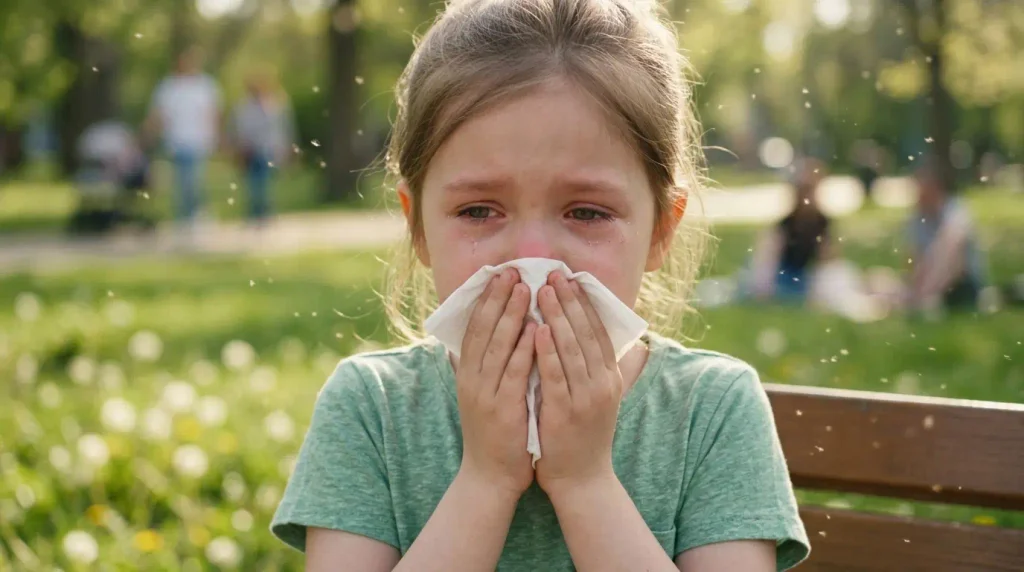
The NHS explains that common hay fever symptoms include sneezing, coughing, a runny or blocked nose, itchy or watery eyes, an itchy throat and tiredness. Symptoms are often more noticeable during periods when pollen levels are high.
Although people often use the terms allergies and hay fever together, not every allergy is hay fever. Food allergies, dust allergies and reactions to animals, for example, have different triggers and can require different forms of management.
Common Allergies and Hay Fever Symptoms
The symptoms of allergies and hay fever can vary from one person to another. Some people may experience only occasional sneezing, while others may find that symptoms affect their sleep, concentration and everyday activities.
Common symptoms include:
- Sneezing
- Runny nose
- Blocked or stuffy nose
- Itchy nose or throat
- Itchy, red or watery eyes
- Coughing
- Headaches
- Tiredness
- Reduced sense of smell
- Facial discomfort associated with nasal congestion
The NHS notes that allergic rhinitis symptoms can appear soon after contact with an allergen and can resemble those of a cold.
One useful distinction is duration. A cold commonly improves within a relatively short period, while hay fever can continue for weeks or months during the relevant pollen season.
If you are unsure whether your symptoms are caused by allergies and hay fever, a GP or pharmacist can help you understand the possible causes and appropriate treatment options.
What Triggers Allergies and Hay Fever?
Pollen is one of the most common triggers of seasonal hay fever. Trees, grasses and weeds release pollen at different times, which means that symptoms can vary throughout the year.
Tree Pollen
Tree pollen can contribute to symptoms earlier in the year. Different trees release pollen at different times, so the exact timing can vary.
Grass Pollen
Grass pollen is a particularly common seasonal trigger and can affect people during the warmer months. Symptoms may include sneezing, congestion and itchy or watery eyes.
Weed Pollen
Weed pollen can also contribute to seasonal allergic symptoms, particularly later in the pollen season.
Other environmental factors can influence how noticeable your symptoms become. Weather conditions, time spent outdoors and exposure to particular environments can all be worth considering when identifying your personal allergies and hay fever triggers.
Keeping a simple record of when symptoms appear can help you recognise patterns. For example, you might notice that symptoms become worse after gardening, walking through long grass or spending extended periods outdoors.

When Is Hay Fever Season in the UK?
There is no single hay fever season that affects everyone in exactly the same way.
Tree pollen can appear earlier in the year, while grass pollen is generally associated with late spring and summer. Weed pollen can continue later into the year.
The NHS states that hay fever symptoms are usually worse between late March and September, particularly when conditions are warm, humid and windy because pollen levels can be higher. Read the NHS hay fever guidance
This makes allergies and hay fever season an important consideration when planning outdoor activities.
Checking a reliable pollen forecast can help you understand when pollen levels are expected to be higher. You can then make practical decisions about outdoor activities and reduce unnecessary exposure when appropriate.
7 Practical Ways to Manage Allergies and Hay Fever
You cannot always avoid pollen completely, but there are practical steps that may help reduce exposure and make allergy season easier to manage.
1. Check the Pollen Forecast
Before spending a long period outdoors, check the pollen forecast for your area.
Knowing when pollen levels are expected to be high can help you plan your day. You might choose to exercise outdoors at a different time, avoid particularly high-exposure activities or take additional precautions when necessary.
For current UK pollen information, you can check the Met Office pollen forecast.
2. Keep Pollen Outside Where Possible
Pollen can easily enter your home through open windows, clothing and hair.
When pollen levels are high, keeping windows and doors closed where practical may help reduce indoor exposure. The NHS also recommends keeping windows and doors shut as much as possible during high pollen periods. See the NHS advice for managing hay fever
This can be particularly useful in bedrooms, where a comfortable environment may help you rest more easily.
3. Change Clothes After Being Outdoors
If you have spent time gardening, walking through grass or enjoying other outdoor activities, changing your clothes when you return home can help reduce the pollen you carry indoors.
Pollen can settle on clothing and hair, so washing your face and hands and showering before bed can also be useful.
These simple habits can become especially valuable during the height of allergies and hay fever season.
4. Protect Your Eyes
Itchy, red and watery eyes are among the symptoms that can make seasonal allergies particularly irritating.
Wearing sunglasses outdoors can provide a practical barrier against airborne pollen reaching your eyes. Try to avoid rubbing irritated eyes, as this can make discomfort worse.
If your eye symptoms are severe, persistent or affecting your vision, speak with an appropriate healthcare professional.
5. Keep Your Home Clean
Regular cleaning can help reduce the amount of dust and pollen accumulating indoors.
The NHS recommends vacuuming regularly and dusting with a damp cloth as part of hay fever self-care. It also recommends considering suitable filters where appropriate. Read the NHS hay fever self-care advice
Pay particular attention to bedrooms and other areas where you spend a lot of time.
6. Look After Your General Wellbeing
Seasonal allergies can be exhausting. Repeated sneezing, congestion, itchy eyes and disrupted sleep can leave you feeling drained.
During periods when allergies and hay fever symptoms are affecting your routine, make time for adequate rest, hydration, balanced meals and relaxation.
These habits do not remove an allergy, but looking after your general wellbeing can help you cope with periods when symptoms are particularly uncomfortable.
7. Get Professional Advice When You Need It
If symptoms are interfering with your everyday life or are not improving with appropriate self-care, speak with a pharmacist or GP.
The NHS advises that pharmacists can provide guidance on hay fever treatments, including antihistamines and nasal sprays. If symptoms continue despite pharmacy treatment, further medical advice may be appropriate. Read the NHS guidance on hay fever treatment
Getting the right advice is particularly important if you are unsure what is causing your symptoms.
Natural and Complementary Approaches to Allergies and Hay Fever
Some people look beyond conventional symptom management and explore natural or complementary approaches as part of their wider wellbeing routine.
A holistic approach considers the person as a whole rather than focusing only on an individual symptom. This may involve discussing lifestyle, daily routines, emotional wellbeing and personal circumstances.
Complementary therapies should not be presented as cures for allergies or as replacements for established medical care. Instead, they can be explored as part of an individual’s broader approach to wellbeing.
At Antonios Holistic Therapies, consultations are personalised to the individual. You can explore our holistic services to learn more about the different approaches available, including Classical Homeopathy, Reiki Healing, Bach Flower Remedies, Australian Bush Flower Essences and Unani Tibb.
Homeopathy and Seasonal Allergies
Homeopathy is a traditional complementary approach based on individualised consultation.
A homeopathic consultation typically involves discussing a person’s symptoms, general wellbeing, lifestyle and individual circumstances. Someone interested in exploring homeopathy may choose to discuss their experience of seasonal allergies as part of that consultation.
It is important to keep complementary care separate from medical diagnosis and treatment. If you take prescribed medication or have an existing health condition, do not stop or change your treatment without speaking to your doctor or another qualified healthcare professional.
For people exploring allergies and hay fever naturally, a personalised wellbeing consultation can provide an opportunity to discuss complementary approaches while keeping appropriate medical care in place.
Can Allergies and Hay Fever Affect Your Everyday Life?
Absolutely.
For some people, the most frustrating part of seasonal allergies is not one individual symptom but the accumulation of several smaller problems.
A blocked nose can make sleeping uncomfortable. Itchy eyes can make reading or working difficult. Constant sneezing can become distracting. Feeling tired can affect concentration and motivation.
This is why understanding your own allergies and hay fever symptoms can be so useful.
Rather than assuming every day will be the same, notice what changes your symptoms. Do they become worse after gardening? Are your eyes particularly uncomfortable outdoors? Do you wake up congested after leaving your bedroom window open?
These observations can help you identify patterns and make practical changes.
Allergies and Hay Fever Relief at Home
There are several simple steps you can take at home during periods of higher pollen exposure.
You might:
- Keep windows closed when pollen levels are high
- Shower after spending time outdoors
- Change outdoor clothing when you return home
- Keep bedding clean
- Vacuum regularly
- Dust with a damp cloth
- Wear sunglasses outdoors
- Check pollen forecasts
- Avoid drying clothes outside when pollen levels are high
The NHS recommends several of these measures as ways of easing hay fever symptoms when pollen counts are high. See the NHS advice for hay fever relief
The aim is not to make your home completely pollen-free. Instead, small changes can help reduce unnecessary exposure and create a more comfortable environment.
When Should You Seek Medical Advice?

Most seasonal hay fever symptoms can be discussed with a pharmacist, particularly if you need advice about suitable treatments.
You should speak with a GP if your symptoms are getting worse, affecting your sleep or everyday life, or are not improving with appropriate pharmacy treatment.
It is also important to remember that not every allergic reaction is hay fever.
Some allergic reactions can be serious. If you develop sudden swelling of the lips, mouth, throat or tongue, difficulty breathing, difficulty swallowing, severe dizziness or fainting, call 999. These can be signs of anaphylaxis, which requires urgent medical treatment.
For further information about serious allergic reactions, see the NHS guidance on anaphylaxis.
Allergies and Hay Fever: Frequently Asked Questions
What are the most common allergies and hay fever symptoms?
Common hay fever symptoms include sneezing, coughing, a runny or blocked nose, itchy or watery eyes, an itchy throat and tiredness. Symptoms can vary depending on the person and their exposure to pollen.
What causes hay fever?
Hay fever is usually caused by an allergic reaction to pollen. Tree, grass and weed pollen can all trigger seasonal symptoms.
When is hay fever season in the UK?
Hay fever symptoms are commonly experienced between late March and September, although the exact timing varies according to the type of pollen, weather and individual sensitivity.
Can hay fever cause tiredness?
Yes. Hay fever can be uncomfortable and may interfere with sleep or everyday activities. Tiredness is recognised as one of the symptoms associated with hay fever.
Can I manage allergies and hay fever naturally?
Practical measures such as reducing pollen exposure, checking pollen forecasts and keeping your home clean can form part of a natural self-care routine. Some people also explore complementary approaches as part of their wider wellbeing.
What can I do for hay fever at home?
Checking pollen levels, keeping windows closed during high pollen periods, changing clothes after being outdoors, showering before bed and cleaning regularly can all help reduce exposure to pollen.
Is homeopathy used for seasonal allergies?
Some people explore homeopathy as a complementary approach to their wellbeing. However, it should not replace appropriate medical diagnosis, treatment or advice from a qualified healthcare professional.
When should I see a doctor about hay fever?
Speak with a GP if symptoms are worsening, affecting your sleep or everyday activities, or are not improving with appropriate treatment from a pharmacy.
Take a Personalised Approach to Your Wellbeing
There is no single experience of allergies and hay fever.
One person may mainly struggle with sneezing and a runny nose, while another may find that itchy eyes, congestion or tiredness are the most disruptive symptoms.
Learning your triggers, understanding the seasonal pattern and making sensible changes to your daily routine can help you approach allergy season with greater awareness.
If you are interested in exploring complementary approaches alongside appropriate healthcare, Antonio offers personalised holistic consultations in Ilkeston, Derbyshire, and online across the UK.
You can explore our holistic services or book a consultation to discuss your individual wellbeing needs.
Important Note
Holistic and complementary therapies are intended to support general wellbeing and are not a substitute for professional medical advice, diagnosis or treatment.
Results and experiences vary between individuals. If you have persistent, severe or concerning symptoms, consult your GP, pharmacist or another appropriately qualified healthcare professional.professional medical advice, diagnosis or treatment. If you have concerns about your symptoms, speak with your GP, pharmacist or another appropriately qualified healthcare professional.